
Introduction
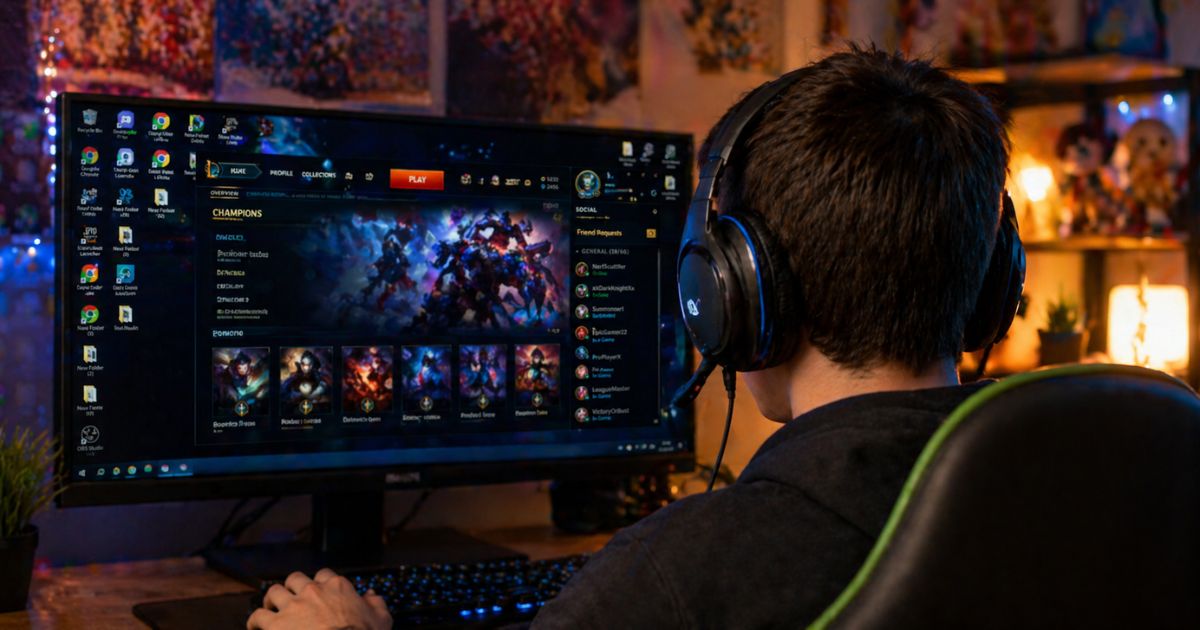
Over the past decade, competitive gaming—commonly known as esports—has grown from a niche hobby into a global entertainment industry worth billions. What was once seen as casual video game play has evolved into a highly structured, professional ecosystem where players train, compete, and earn careers similar to traditional athletes.
Today, millions of fans tune in to watch tournaments, while young gamers aspire to become professional players. The rise of competitive gaming is not just a trend—it is a cultural shift that is reshaping how people view entertainment, technology, and even careers.
What Is Competitive Gaming?
Competitive gaming refers to organized video game competitions where individuals or teams face off in popular titles. Unlike casual gaming, esports requires:
- Strategic thinking
- Fast reflexes
- Team coordination
- Deep knowledge of game mechanics
Popular competitive titles include games such as League of Legends, Dota 2, Counter-Strike 2, and Fortnite. Each of these games has its own competitive scene, tournaments, and professional leagues with massive global audiences.
The Rise of Esports as a Global Industry
One of the main reasons for the popularity of competitive gaming is its transformation into a professional industry. Esports now includes:
- International tournaments with million-dollar prize pools
- Sponsorship deals from global brands
- Professional teams and organizations
- Dedicated training facilities for players
Major tournaments like The International (for Dota 2) and League of Legends World Championship attract millions of live viewers online, rivaling traditional sports events in popularity.
This rapid growth shows that esports is no longer just entertainment—it is a serious career path and business sector.
Why Competitive Gaming Is Becoming So Popular
1. Accessibility of Gaming
One of the biggest reasons for the rise of esports is accessibility. Unlike traditional sports that require physical infrastructure, gaming only requires:
- A computer or console
- Internet connection
- A copy of the game
This makes competitive gaming accessible to people worldwide, regardless of location or background.
2. Streaming Platforms and Online Exposure
Platforms like Twitch and YouTube Gaming have played a massive role in popularizing esports. Fans can now:
- Watch live tournaments
- Follow professional players
- Learn strategies and gameplay techniques
- Engage with gaming communities
This constant exposure has helped gaming grow into a mainstream form of entertainment.
3. Professional Career Opportunities
Competitive gaming is no longer just a hobby. Today, players can earn income through:
- Tournament winnings
- Team salaries
- Sponsorships
- Streaming and content creation
Top esports players earn millions of dollars annually, making gaming a legitimate career option for talented individuals.
The Role of Technology in Competitive Gaming
Technology is the backbone of esports. High-performance computers, advanced graphics, and low-latency internet connections have made competitive gaming smoother and more professional.
Key technological advancements include:
- Real-time multiplayer servers
- High refresh-rate monitors
- AI-based performance analytics
- Cloud gaming platforms
These innovations ensure fair competition and enhance the overall experience for both players and viewers.
Training and Discipline of Professional Gamers
Contrary to popular belief, professional gamers do not simply “play for fun.” They follow strict training routines similar to athletes.
A typical training schedule includes:
- 6–10 hours of daily gameplay practice
- Strategy review sessions
- Physical exercise for reflex improvement
- Team coordination meetings
In games like Counter-Strike 2 and League of Legends, teamwork and communication are critical, requiring players to constantly refine their coordination skills.
The Mental and Physical Demands of Esports
Competitive gaming is mentally intense. Players face:
- High-pressure environments
- Fast decision-making situations
- Long hours of concentration
- Performance anxiety during tournaments
To manage this, professional teams now hire psychologists and fitness trainers. Physical fitness is also emphasized to improve reaction time and prevent health issues caused by long gaming hours.
Esports Communities and Global Fanbase
One of the most powerful aspects of competitive gaming is its community. Millions of fans around the world actively participate in esports culture by:
- Watching live tournaments
- Supporting favorite teams
- Joining online forums and discussions
- Creating fan content and analysis
Games like Fortnite have built massive global communities where players and fans interact daily. This strong community engagement is a key reason behind esports’ rapid growth.
Challenges in Competitive Gaming
Despite its success, esports also faces several challenges:
- High competition and limited professional slots
- Short career span of players
- Mental stress and burnout
- Lack of regulation in some regions
Many young players struggle to balance education and gaming careers. However, organizations are now introducing better support systems to help players manage these challenges effectively.
The Future of Competitive Gaming
The future of esports looks incredibly promising. Experts predict that competitive gaming will continue to grow due to:
- Expansion of mobile esports
- Integration of virtual reality (VR) gaming
- Increased investment from global companies
- Recognition as a mainstream sport in many countries
With advancements in technology and increasing global acceptance, esports is likely to become one of the dominant forms of entertainment in the coming years.
Conclusion
The world of competitive gaming is no longer hidden—it is now a powerful global industry shaping the future of entertainment and sports. From professional tournaments to massive online communities, esports has transformed how people play, watch, and interact with games.
As games like Dota 2, League of Legends, and Counter-Strike 2 continue to dominate the competitive scene, the popularity of esports will only continue to rise.
What was once considered a simple pastime is now a world of opportunity, discipline, and global recognition—proving that competitive gaming is truly one of the most exciting industries of the modern digital age.
